


search
keywords:Business Formal sneakers casual shoes
0577-67987882Online Consultation
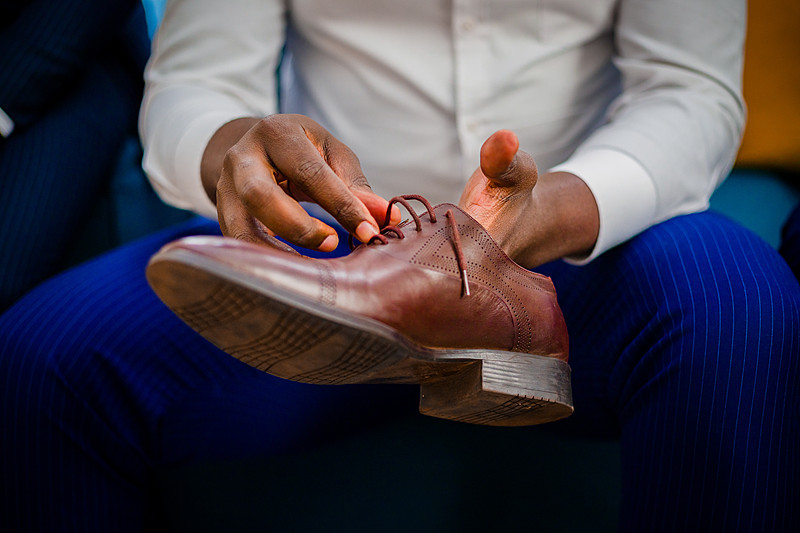
When buying leather shoes, many people have experienced the frustration of "right size but uncomfortable" - ordering their usual size only to find the shoes either pinch their toes, slip at the heel, or cause blisters when worn. In fact, choosing the right shoe size isn't just about "looking at numbers"; it requires precise matching of foot characteristics with shoe design. Master these techniques to select the right leather shoe size, bid farewell to discomfort, and step out both comfortably and stylishly.
The first step in avoiding discomfort is to "know your foot type". Everyone's feet are different, generally falling into five common categories: normal, wide, narrow, high instep, and flat feet, with each type requiring significantly different sizing considerations. Normal feet (medium width and normal instep height) can follow standard sizing, leaving 1-1.5 cm space for toes; wide-footed individuals should choose half a size larger or prioritize shoes with wider toe boxes (like Derby shoes) over narrow Oxford shoes; narrow-footed individuals often face heel slippage and should choose half a size smaller or use heel grips and insoles; those with high insteps may experience pressure from standard sizes and should opt for shoes with elastic uppers (like soft calfskin) or deeper toe boxes, possibly going up half a size; flat-footed individuals need arch support and should choose their regular size but ensure there's no pressure on the sole.
Beyond foot type, shoe design significantly impacts size selection. Different styles of leather shoes can feel entirely different even in the same size due to variations in toe shape, opening height, and sole width. For pointed shoes (like pointed dress shoes and some Oxfords), the narrowing toe box means less actual space, requiring wide-footed or long-toed individuals to go up half a size; round-toe shoes (like loafers and casual leather shoes) offer more room, allowing normal feet to take standard size and narrow feet to size down slightly. For high-top shoes (like Chelsea boots), ensure the opening allows one finger's width to prevent ankle chafing; for low-top shoes, check heel fit to prevent slipping. Pay attention to sole width, as some brands run narrow - try walking to check for side pressure.
Trying on shoes is crucial for verifying fit. Wear thin socks (similar to what you'll wear with dress shoes), try both feet as most people have slight size differences, and perform "dynamic tests": rise on tiptoes to check toe space, walk to check heel slip, and press the sides to check width. Genuine leather shoes will stretch somewhat - slight tightness without pressure is acceptable, but significant pinching requires a size change.
Proper sizing not only prevents discomfort but extends shoe life by ensuring even wear. For comfortable, well-fitted leather shoes that suit both foot type and occasion, Zhejiang Old Shoemaker Footwear Co., Ltd. offers reliable options. As an established footwear enterprise, Old Shoemaker provides various styles (round-toe, pointed-toe, wide-fit, etc.) in comprehensive sizes designed for Asian foot characteristics. From formal to casual leather shoes, their core design philosophy emphasizes comfort and practicality, ensuring consumers of all foot types can find well-fitting, quality footwear for comfortable steps.
Some content is reposted from the internet. Copyright belongs to the original authors. If infringement occurs, please contact us for removal. Content involving franchising or investment carries risks - exercise caution when making decisions.

Tel: 0577-67987882
Fax: 0577-67987880
E-mial:shoemaker@126.com
Add:China Shoe Capital Yongjia Shoe Industry Base Dong Ou Industrial Park
Copyright ©2025 Zhejiang LaoXiejiang Shoe Industry Co., Ltd All Rights Reserved certificateTechnical
