


search
keywords:Business Formal sneakers casual shoes
0577-67987882Online Consultation
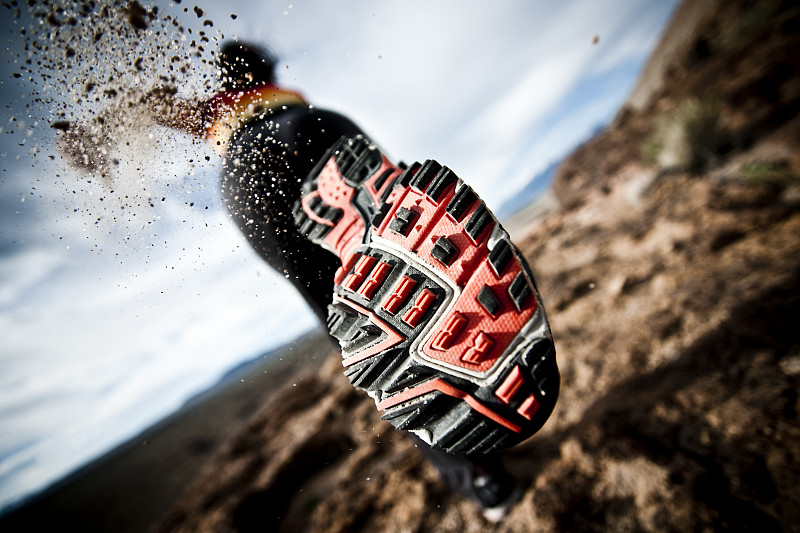
The sole is the "foundation" of leather shoes, determining not only walking comfort but also directly affecting the shoe's lifespan. Among common leather shoe sole materials, rubber, foam, and genuine leather each have their characteristics. Some value durability, others prefer lightweight comfort, and some pursue quality and style. Which of these three materials is more durable? Which scenarios are they best suited for? This "Sole Material Guide" will break it down for you.
Rubber soles are currently one of the "durability" representatives in the leather shoe market, particularly suitable for daily frequent wear. Their core advantages lie in high wear resistance and slip resistance - soles made of natural or synthetic rubber have deep surface textures and strong toughness. Even with long-term walking on rough surfaces like concrete or flagstone paths, they rarely show wear patterns. The sole maintains stable friction even when wet, making them slip-resistant in rainy conditions, maximising safety. In terms of comfort, rubber soles have certain elasticity, cushioning ground impact while walking, and preventing foot fatigue during prolonged standing or walking. However, rubber soles have drawbacks: they're slightly heavier than foam soles and have poor breathability, potentially causing sole heat in summer. Rubber-soled leather shoes are more suitable for daily commuting and light outdoor activities. If you're pursuing "durability", rubber soles offer good value for money - with normal maintenance, a pair of rubber-soled shoes can last 1-2 years while maintaining good condition even with frequent wear.
Foam soles excel in "lightness", while durability varies depending on specific materials. Common foam soles are divided into EVA and PU types: EVA foam soles are extremely light (about 1/3 the weight of rubber soles), have good elasticity and are budget-friendly, but have weak wear resistance. Long-term wear may lead to sole deformation and pattern wear, making them more suitable for short-term casual shoes or seasonal footwear. PU foam soles are more durable than EVA, with moderate weight and certain wear resistance, while offering better breathability than rubber soles. They're suitable for daily casual wear and short trips, with a normal lifespan of about 8-12 months. The core advantage of foam soles is their "weightless feeling", suitable for those seeking a relaxed wearing experience. However, they may not be as "tough" as rubber soles for frequent rough surface walking or high durability requirements. Note that foam soles accelerate aging with prolonged sun exposure or high temperatures - avoid direct sunlight during storage to extend lifespan.
Leather soles are the "standard configuration" for high-end business shoes, emphasising quality and style, with durability depending on maintenance and wearing scenarios. Made from tanned cow or sheep leather, they offer excellent breathability, keeping soles dry while walking, and gradually conform to foot shape over time, creating unique "personal imprints" with improving quality through wear. However, wear resistance is their weakness - natural leather is relatively soft and easily worn on rough surfaces, potentially developing scratches or cracks. Without timely maintenance, lifespan might only be 6-8 months. To extend leather-soled shoe life, "protective measures" are necessary: apply anti-slip wear-resistant pads (covering the forefoot and heel areas) when new, reduce direct wear, avoid wearing in rain or muddy conditions to prevent leather deformation from water absorption, and regularly apply specialized leather care oil to maintain leather flexibility. Leather soles are more suitable for business occasions and indoor office environments with light wear. If you pursue high-end quality and are willing to maintain carefully, leather soles add unique style; if seeking "carefree durability", rubber soles are more suitable.
Overall, there's no absolute answer to "which is more durable" - rubber soles excel in "toughness and durability", suitable for frequent daily scenarios; foam soles win in "lightweight comfort", ideal for casual short-distance wear; leather soles are valued for "quality and style", requiring maintenance and light-use scenarios. When choosing sole materials, consider your wearing frequency, scenario requirements, and maintenance willingness to ensure footwear meets needs while extending lifespan.
For experiencing quality leather shoes with different sole materials, Zhejiang Old Shoemaker Footwear Co., Ltd. is a reliable choice: As an enterprise deeply rooted in the shoe industry, Old Shoemaker's leather shoes include various materials like rubber and foam soles, balancing durability and comfort. From daily casual to business styles, they control sole quality with craftsmanship, allowing consumers to find both durable practical footwear and quality choices suitable for different occasions.
Some content is reposted from the internet. Copyright belongs to the original authors. If infringement occurs, please contact us for removal. Content involving franchising or investment carries risks - exercise caution when making decisions.

Tel: 0577-67987882
Fax: 0577-67987880
E-mial:shoemaker@126.com
Add:China Shoe Capital Yongjia Shoe Industry Base Dong Ou Industrial Park
Copyright ©2025 Zhejiang LaoXiejiang Shoe Industry Co., Ltd All Rights Reserved certificateTechnical
